
Print


22 10 2026 06:34
News Code : 280560103
View Count : 111
By: Shayan Asadi, Secretary of the Western Europe Studies Group
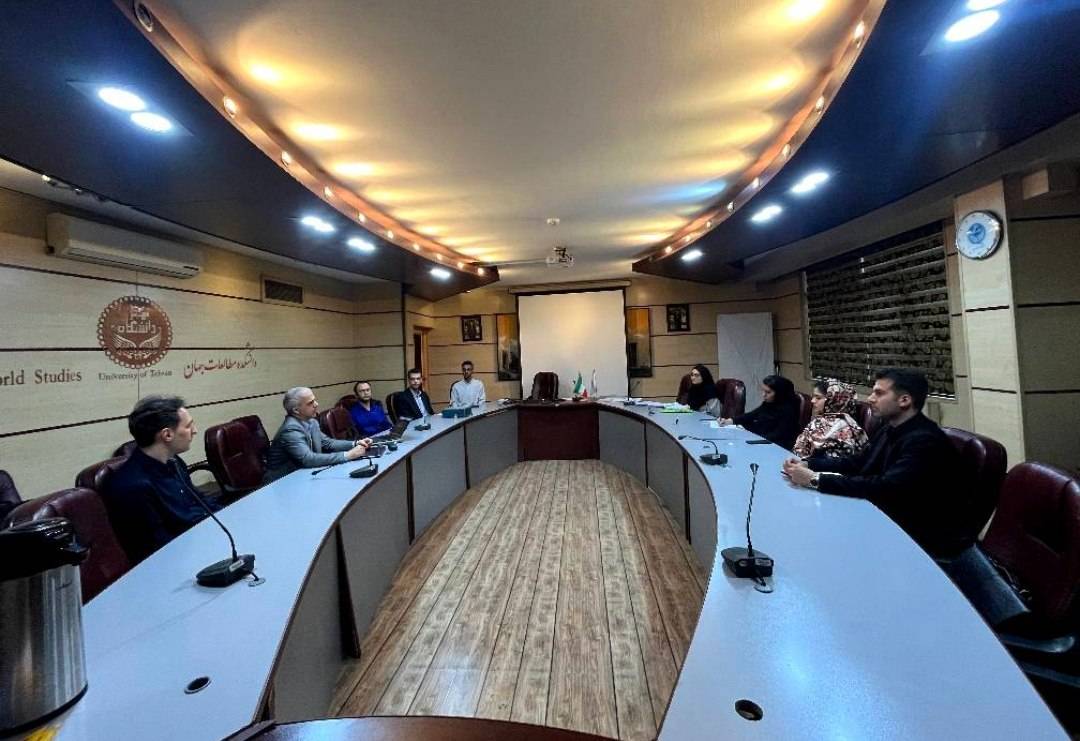
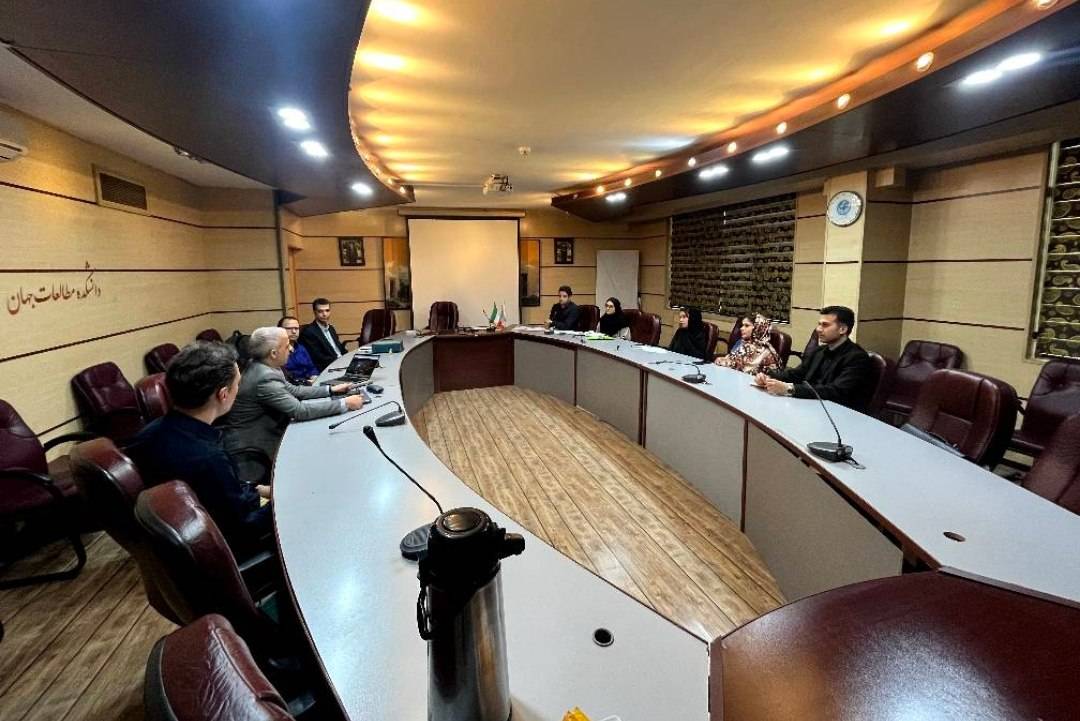
The inaugural meeting of the “Western Europe Studies Group” at the Institute for North American and European Studies was held on October 18, 2026 (26th of Mehr, 1405) in the Iran Hall of the Faculty of World Studies, with the presence of the Institute’s director, group secretaries, and members. Aiming to elucidate macro objectives, outline the roadmap, and organize research activities, the session provided a suitable environment for exchanging views and enabling members to become further acquainted with one another. At the outset of the meeting, Mr. Shayan Asadi, serving as the group’s secretary, welcomed the attendees and invited the esteemed members to introduce their educational and research backgrounds as well as their fields of specialization, thereby laying the groundwork for closer familiarity and the establishment of a dynamic network of academic collaboration.
Subsequently, Dr. Behzad Ahmadi, Director of the Institute, delivered a speech providing a comprehensive introduction to the Institute, its strategic objectives, and its achievements. Highlighting the Institute’s academic standing, he emphasized the importance of sustaining impactful research activities and outlined its future prospects. In another part of his remarks, Dr. Ahmadi elaborated on the characteristics of the “Western Europe Studies Group.” He underscored the interdisciplinary nature of the group’s research as one of its key strengths and stressed the necessity for members to adopt a meticulous, analytical, and detail-oriented perspective in analyzing developments concerning Western Europe. Furthermore, he considered the fact that group members hail from various universities and provinces across the country as a valuable opportunity to achieve academic synergy and benefit from diverse scholarly viewpoints. In outlining his expectations of the group members, the Institute’s Director emphasized the necessity of producing practical, useful, and constructive programs, projects, and research in the field of Western Europe studies. The exchange of scientific experiences, utilization of insights and consultations from prominent experts and professors, special attention to the complex details of issues raised in international relations, and ultimately, striving to nurture a generation of committed researchers and thinkers in the fields of political science and international relations were among his other key highlighted axes.
In the second part of the meeting, the atmosphere transitioned from a formal setting to an interactive and dynamic dialogue. By raising precise questions and expressing their academic concerns, the group members examined the existing challenges and opportunities along the path of the group’s activities. The main focus of discussions in this section was examining research mechanisms, modes of interaction among members, and ways to leverage existing capacities and infrastructures to elevate the qualitative level of scholarly output. In response to these queries, the meeting secretaries provided supplementary explanations and clarified administrative and academic processes, thereby resolving existing ambiguities.
Next, to ensure a more precise organization of activities, Mr. Shayan Asadi and Mr. Mohammad-Reza Moghimi, the group’s secretaries, elaborated in detail on the structure of the specialized working groups that form the operational foundation of the group. These working groups were defined around three main axes:
In conclusion, emphasizing the group’s practical approach, it was decided that by holding thematic specialized sessions and practical academic workshops, in addition to elevating members’ knowledge levels, the needs of academic audiences and international politics researchers would be addressed. The meeting concluded by defining immediate implementation steps, specifying the responsibilities of each member, and setting the agenda for the subsequent session.
https://inaes.ut.ac.ir/en/article/280560103