Print


13 09 2026 10:12
News Code : 271179120
View Count : 2665
By: Ghazaleh Ghafouri
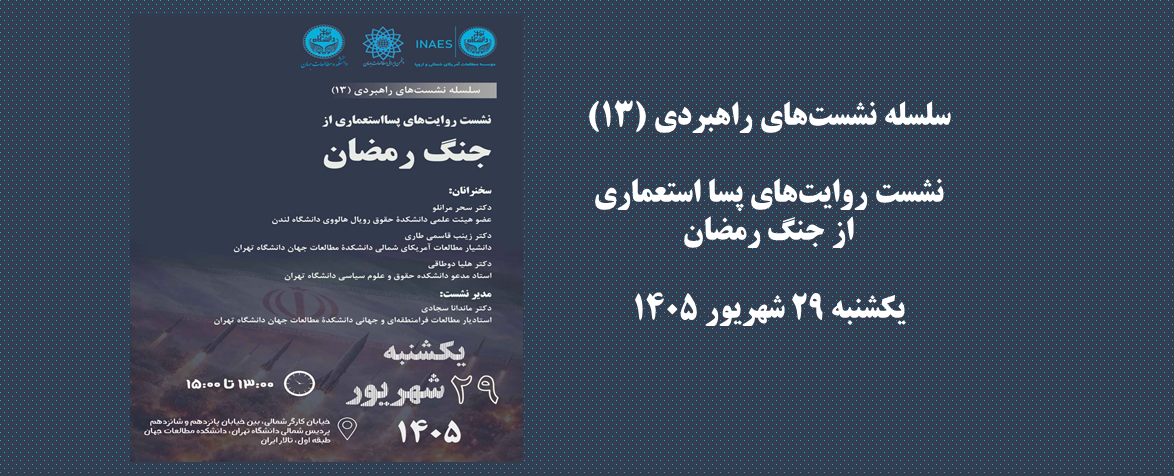
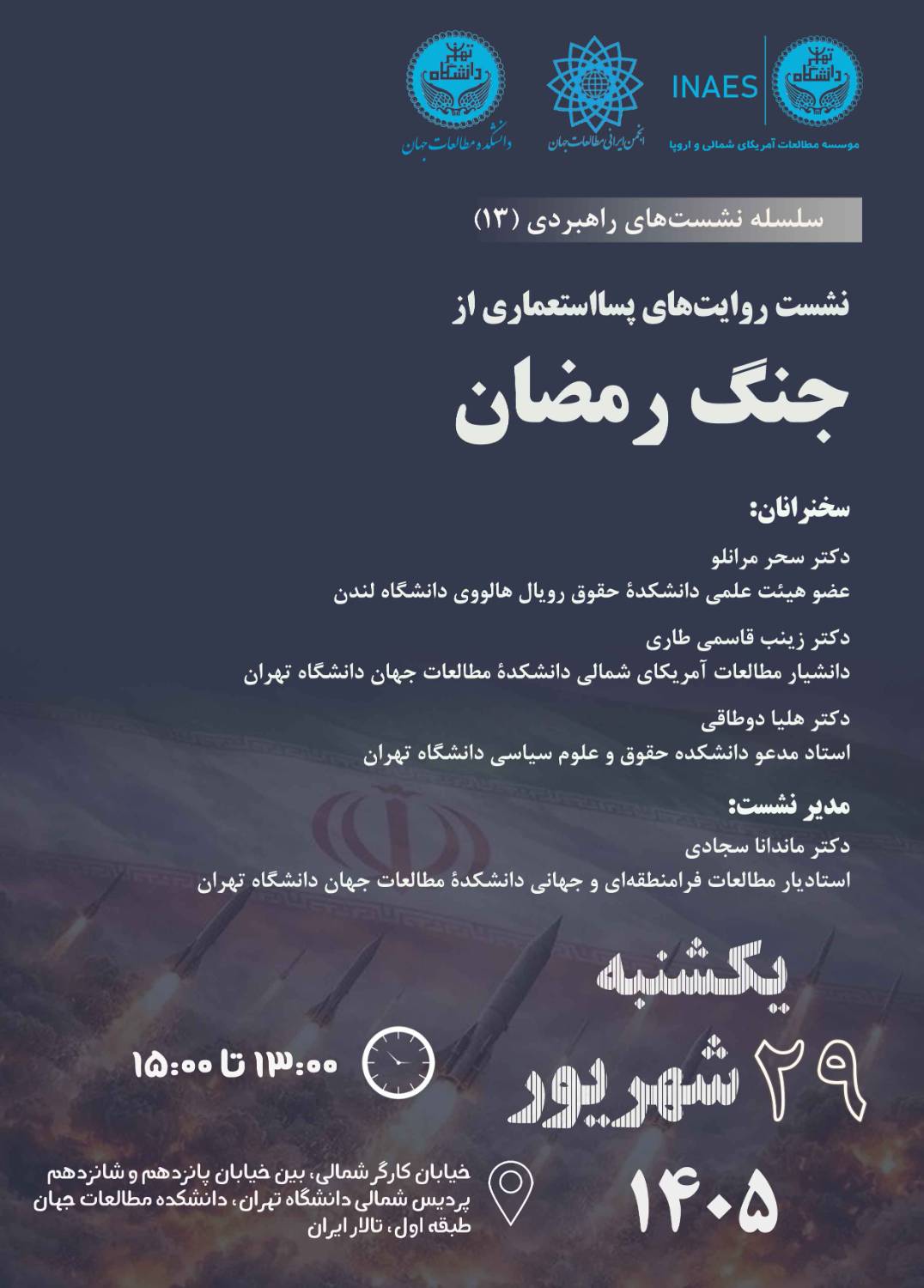
The 13th session of the Strategic Seminar Series, hosted by the Institute for North American and European Studies (INAES) and titled ‘Postcolonial Narratives of the Ramadan War,’ was held at the Iran Hall of the Faculty of World Studies.
Moderated by Dr. Mandana Sajjadi (Assistant Professor of Transregional and Global Studies at the Faculty of World Studies, University of Tehran), the panel featured Dr. Sahar Maranlou (Faculty Member at the School of Law, Royal Holloway, University of London), Dr. Zeinab Ghasemi Tari (Associate Professor of North American Studies at the Faculty of World Studies, University of Tehran), and Dr. Helia Doutaghi (Visiting Lecturer at the Faculty of Law and Political Science, University of Tehran), who examined the narrative, discursive, legal, and postcolonial dimensions surrounding the Ramadan War.
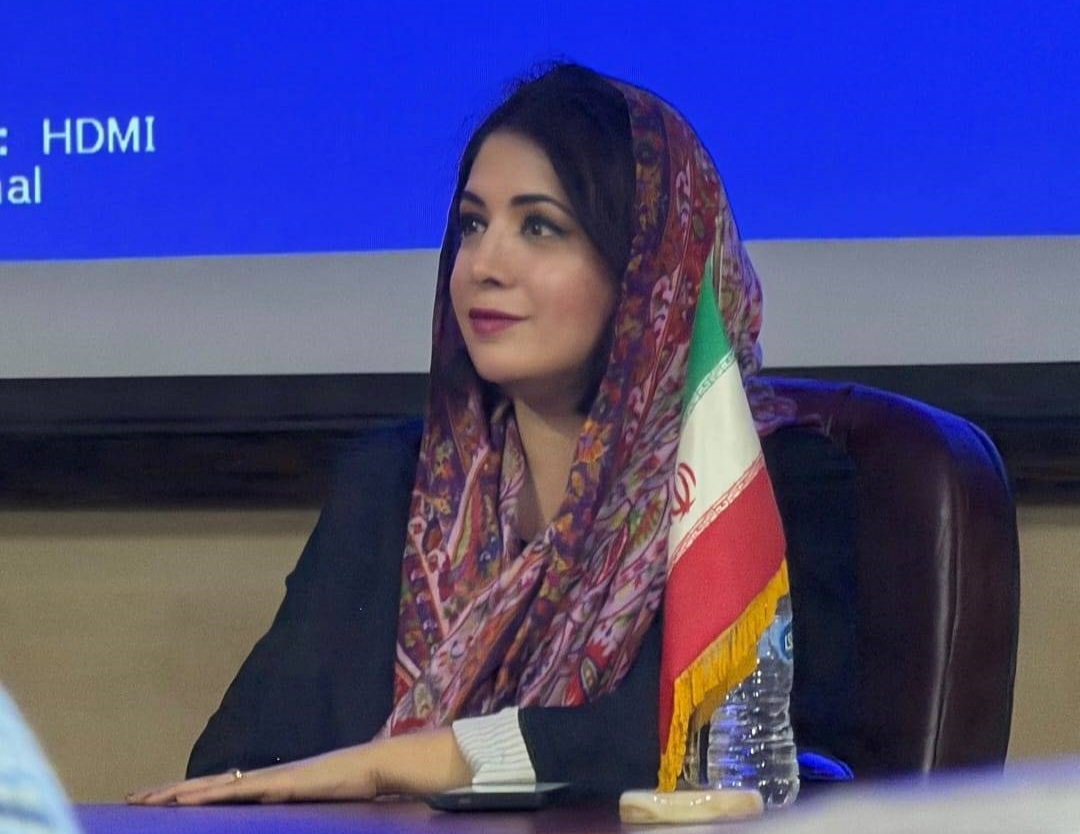
Dr. Sahar Maranlou’s address centered on the representation of suffering, the role of language in warfare, and the critique of postcolonial frameworks. Raising the question, ‘Why is the suffering of some people—and women in particular—rendered visible, while the suffering of others is marginalized?’ she pointed to the selective nature of empathy mechanisms within media and international law. She argued, ‘When violence is perpetrated against women by a non-Western power, their suffering is extensively represented; however, when such suffering and massacres occur at the hands of Western powers, they are rendered invisible.’ Emphasizing the vital importance of the ‘start point’ of a war, Dr. Maranlou stated, ‘The point of departure for a crisis is decisive. The war did not begin at the Strait of Hormuz; rather, it is rooted in prior bombings and destruction, and the true starting point of the Ramadan War was the bombing of the Minab School. The efforts of Western media streams to redefine the starting point of the conflict constitute a form of narrative engineering.’ Dr. Maranlou further highlighted the inseparable link between language and power, adding, ‘War always requires language, and the naming of phenomena is inherently political; terms such as the “Ramadan War,” “preventive war,” or the “twelve-day war” each carry different semantic burdens and serve to confer varying degrees of legitimacy. Therefore, in postcolonial analyses, language must be treated as the foundation of analysis.’ Additionally, by critiquing dominant interpretations of international legal concepts such as ‘freedom of navigation,’ she characterized the concept as having a colonial pedigree. She emphasized that Iran, by understanding the geopolitics of the Strait of Hormuz, is effectively moving toward the decolonization of these traditional mechanisms. In conclusion, she noted that the archive of war should not be reduced to official documents and statements; rather, grassroots narratives and the lived experiences of mothers constitute an essential part of the genuine historiography of crises.
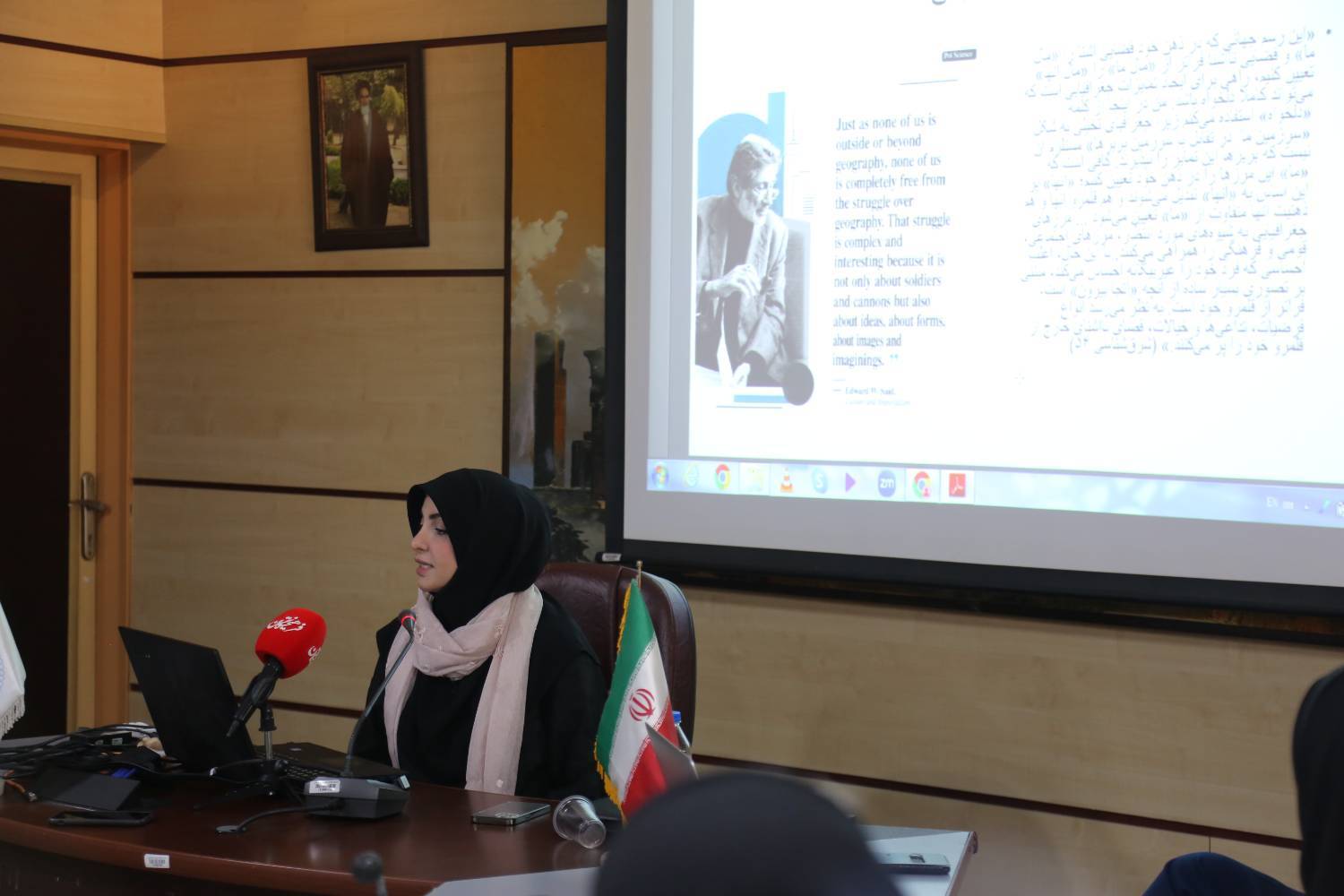
Continuing the session, Dr. Zeinab Ghasemi Tari, pointing to the silence of international institutions and European nations in the face of blatant violations of international norms, stated: ‘What occurred during the initial days of the conflict encompassed all legal constituents of war crimes; nevertheless, we witnessed passivity and a lack of serious response from European states.’ According to her, certain events occasionally unfold within specific geographies that result in the emergence of zones where the law is effectively suspended. She added: ‘The recent war must be evaluated as the culmination of a process and project aimed at “dehumanization” in the region.’ She noted that the inception of this project was not in Iran, but rather traces back to Palestine, Iraq, Afghanistan, and beyond, with Iran merely representing a part of this regional project.
She further clarified that geography evolved from a purely natural and objective concept into an epistemological and hegemonic instrument in the hands of Western discourse—a tool that, by tethering space to the essence of subjects, reproduced Orientalist stereotypes to represent Eastern peoples as uncivilized, underdeveloped, and ultimately relegated to the status of ‘subhumans.’ Within this framework, geography played a deterministic role in shaping identity, whereby the Eastern subject was stripped of individuality, historicity, and independent identity, acquiring meaning solely as an ‘Other’ in a binary opposition to the civilized, rational, and superior Western subject.
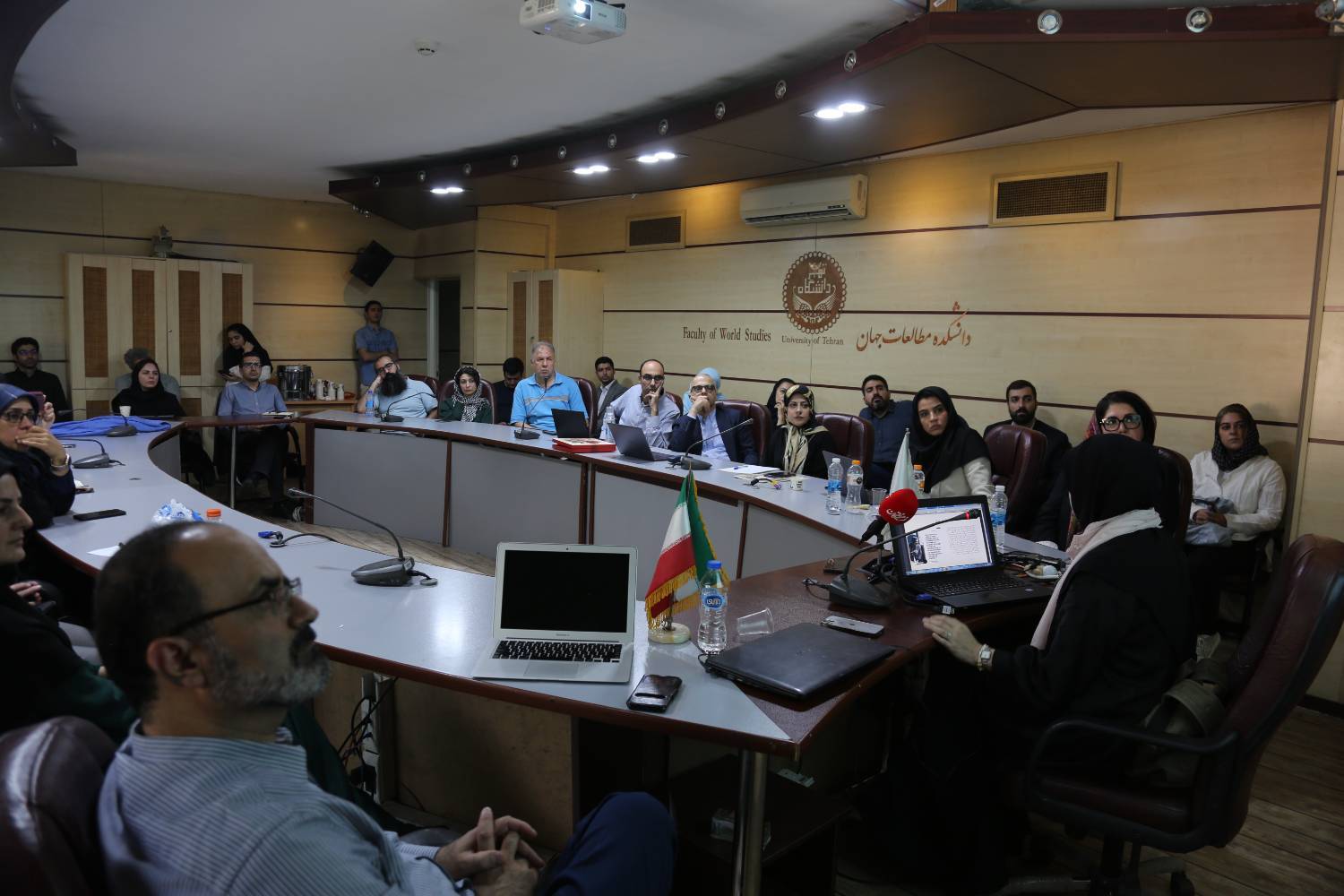
In the third part of the session, Dr. Helia Doutaghi, emphasizing the centrality of “power” in postcolonial approaches, analyzed the structures of knowledge production during the crisis. Drawing on her fieldwork and a ten-day trip to Minab on the thirtieth day of the war, she remarked: “The actions of Trump and key actors in this conflict were primarily grounded in the production of uncertainty, while mainstream media made no effort to uncover the truth.” She added: “Regrettably, knowledge produced by U.S. military institutions is accepted as authoritative and truthful with little to no scrutiny, whereas the testimonies and accounts of victims are relegated to lower ranks of credibility. This hierarchy of validation dictates who has the right to speak and whose sources are sidelined or discarded even before reaching the verification stage.
In her view, the media coverage of the Minab incident reflects not the creation of legal mechanisms, but rather systemic ignorance. Clarifying the term “ignorance,” she emphasized that it should not be conflated with a mere absence of knowledge; instead, it constitutes a politico-legal concept narrativized under the sway of power structures. According to Dr. Doutaghi, just as seen in the Minab school attack, “not-knowing” can itself be actively produced—meaning deliberate practices are employed to ensure certain realities are never fully known. Based on her research, these practices fall into four categories: uncertainty, institutional refusal to know, privileging the epistemic authority of the dominant institution, and the selective filtering and erasure of sources.
Highlighting her ten days of fieldwork in Minab and interviews with 37 bereaved mothers and families, Dr. Doutaghi pointed out: “Despite the passage of time and the scale of the atrocities, the onerous burden of fact-finding still rests upon the local community.” Concluding her remarks by pointing out the hazardous and contradictory media narratives surrounding the Minab tragedy, she underscored: “The significance of war lies not only in the lives lost, but equally in the reproduction of meaning and the preservation of the historical archive. If we do not narrate these events ourselves, our history and collective memory will be distorted in favor of dominant narratives.
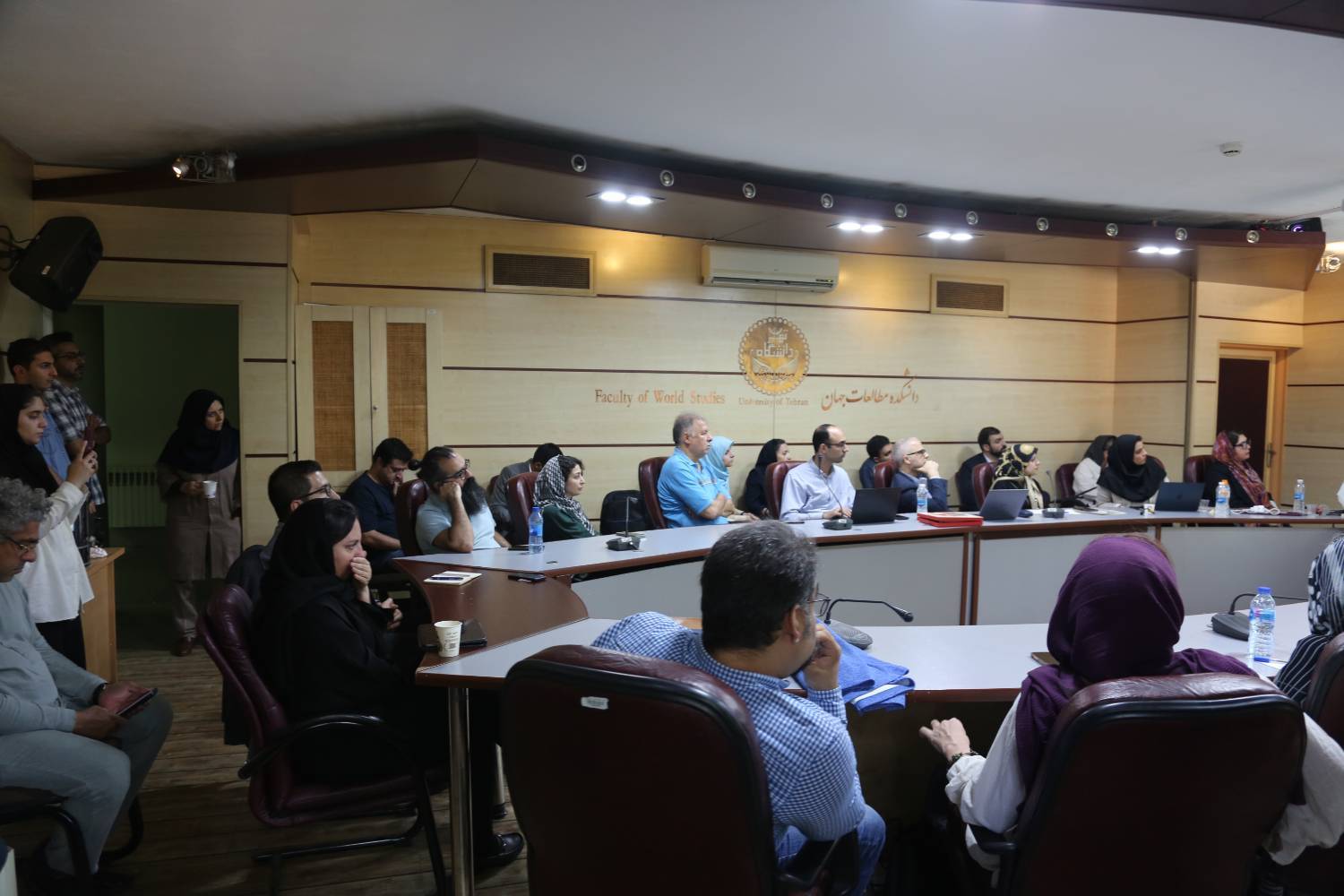
In the final segment of the session, attendees presented their questions and perspectives regarding the issues discussed. The panelists addressed these queries, fostering an interactive dialogue between the audience and the speakers. It is noteworthy that the session was well-received by students and researchers across various disciplines, serving as a testament to the academic community’s deep engagement with the postcolonial and humanitarian dimensions of this crisis.
https://inaes.ut.ac.ir/en/article/271179120